

Peter Voulkos wanted to paint. He couldn't get into the class.
So he ended up in ceramics and accidentally became one of the most influential artists of the 20th century. His studio became the epicenter of the California Clay Movement. Teaching with a mantra of "no rules, no rules," he created the conditions for a whole generation to treat clay as an art form as worthy of ambition as painting or sculpture. That's how a lot of the best things happen. Sideways.
When veterans flooded back into American universities under the GI Bill, the most popular classes filled fast. The men who got redirected into ceramics found something unexpected: you can't carry the weight of war in your hands and also throw a centered pot. For a generation that needed to get out of their heads, it turned out pottery was medicine.
California became the epicenter, with conditions perfect for a boom. Quality clay, year-round light, and a culture already obsessed with building something new. By 1948, over 800 ceramic businesses were operating in the state. But the work worth remembering didn't just come from scale. It came from conviction.
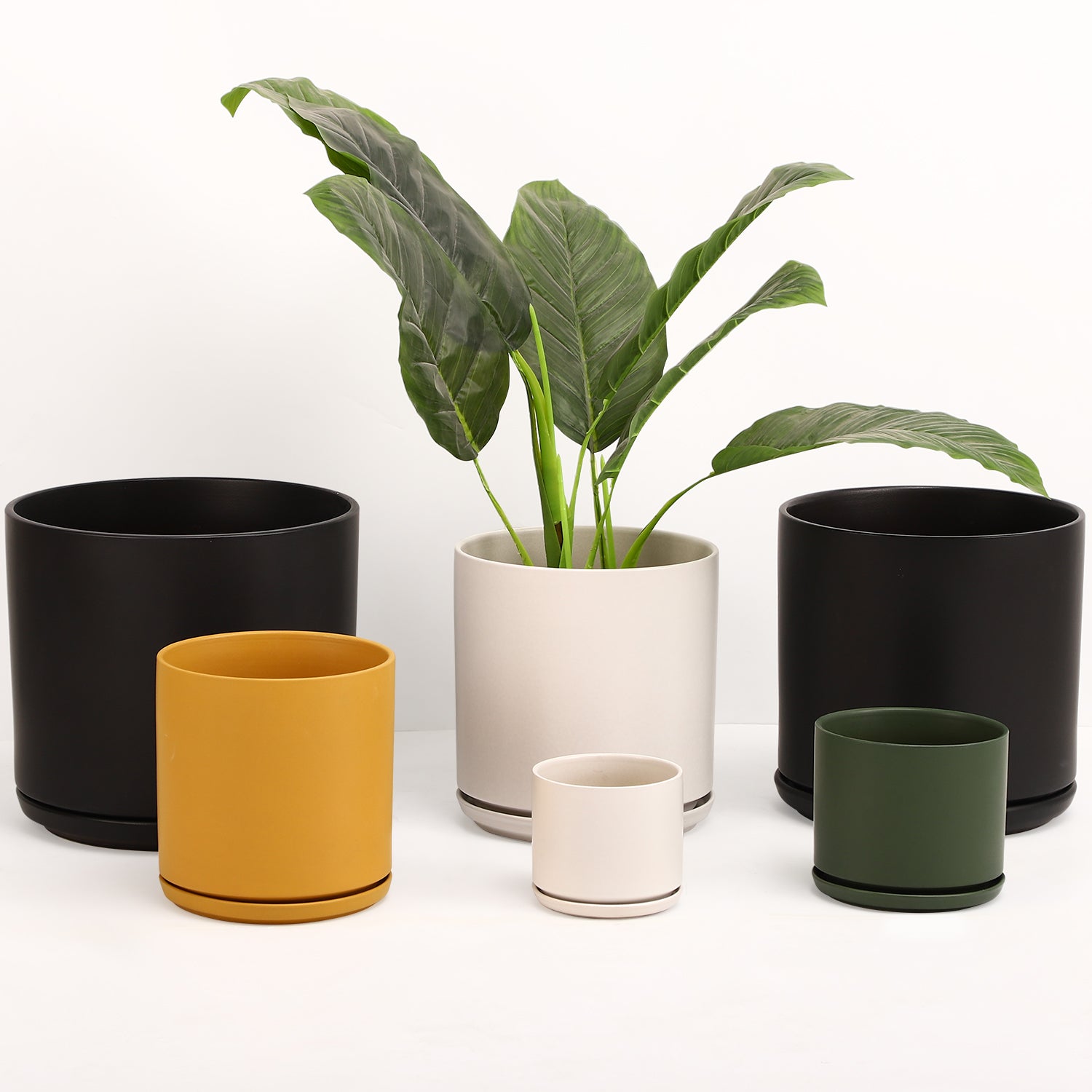
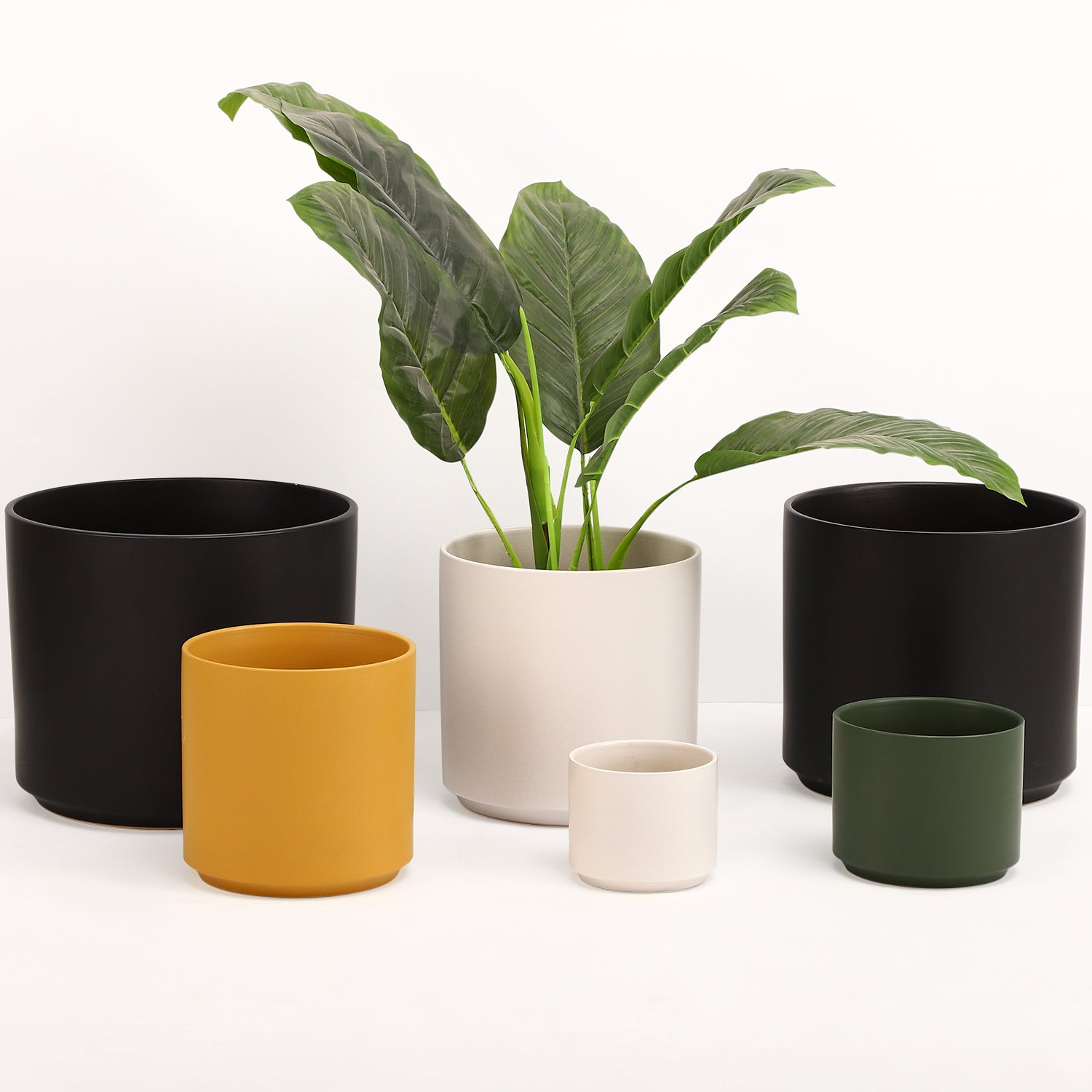
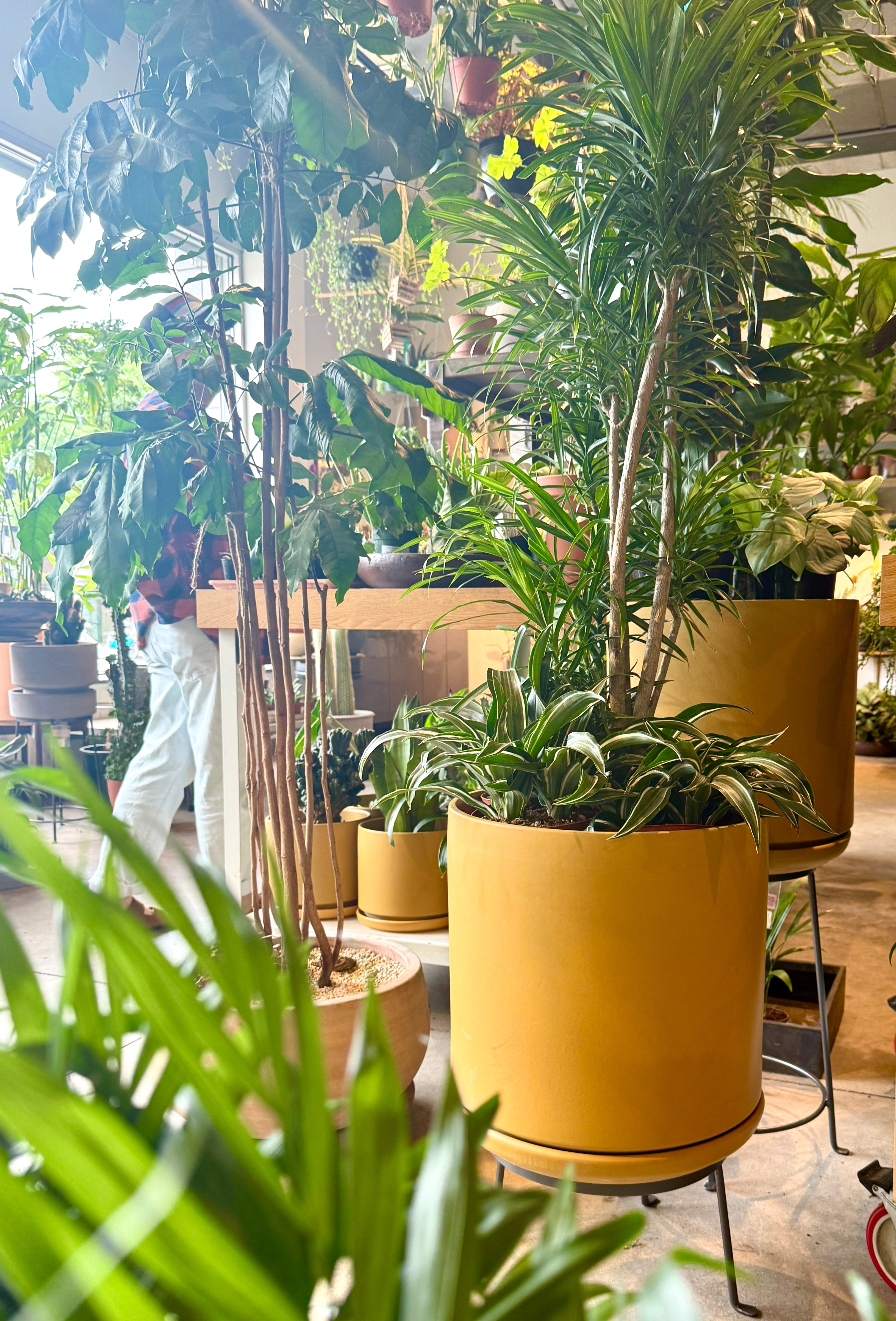
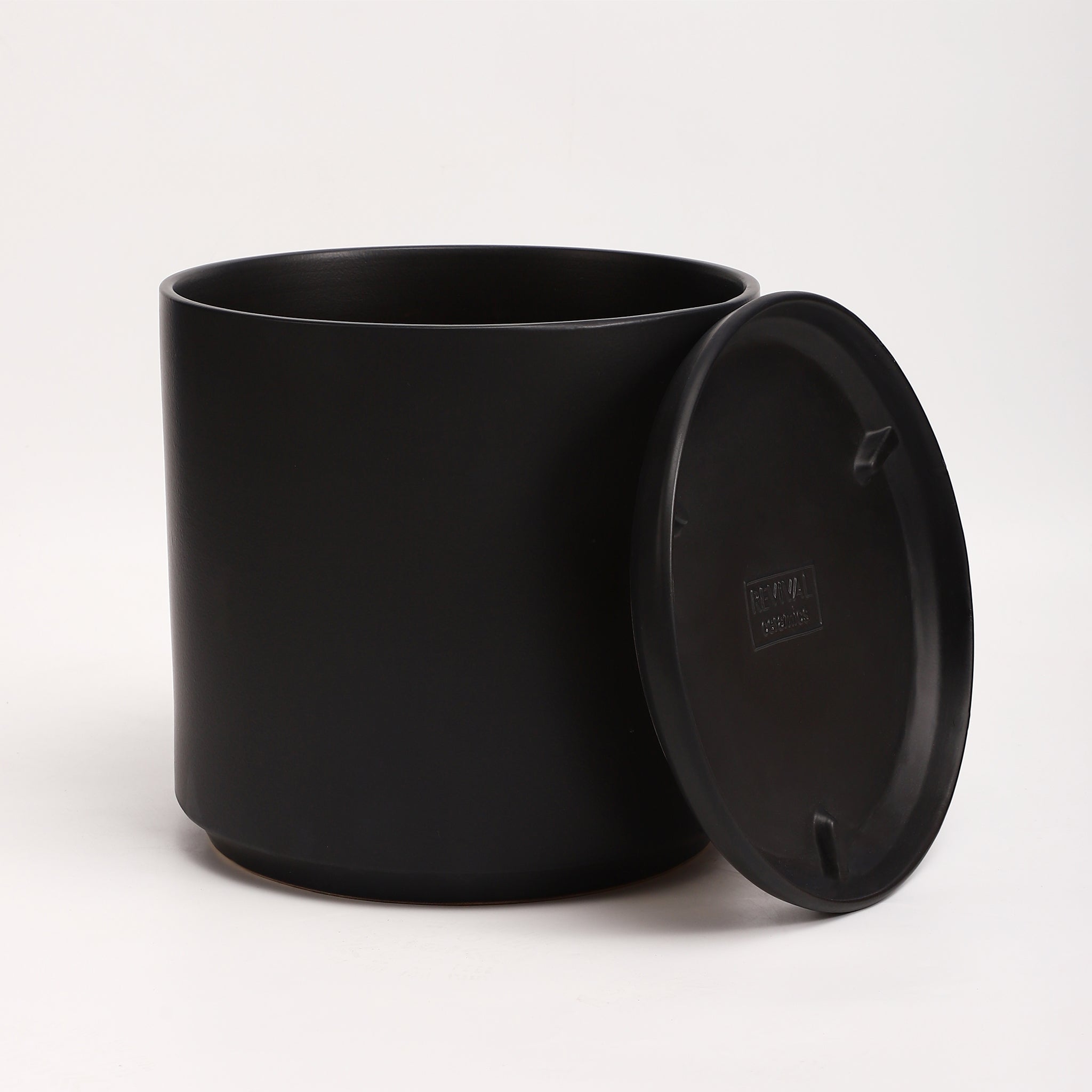
In La Verne, Gainey Ceramics made planters the way architects specified furniture — not as decoration, but with intention. Gainey's cylinder planters were timeless and restrained: clean lines, solid color, nothing extra. In Sausalito, Edith Heath decided that stoneware — tough, honest, California-made — was the right material for the postwar American table. Beautiful objects that could go from refrigerator to oven, not the fine china you save for guests. Heath Ceramics still operates in Sausalito today, one of the few continuous threads from that original moment.

Across the ocean, the same questions were being asked. Japanese mingei philosophy, carried west by Bernard Leach and demonstrated in workshops by master potter Shoji Hamada, held that beauty belongs in humble everyday objects, not behind glass. Finnish designer Richard Lindh was making rounded, matte-glazed flower pots at Arabia with a conviction that rhymed perfectly with what Gainey was producing in California.

One by one, the studios closed. When we went looking for these pieces as adults, we found expensive vintage or hollow reproductions — objects that almost looked the part but had lost the point.

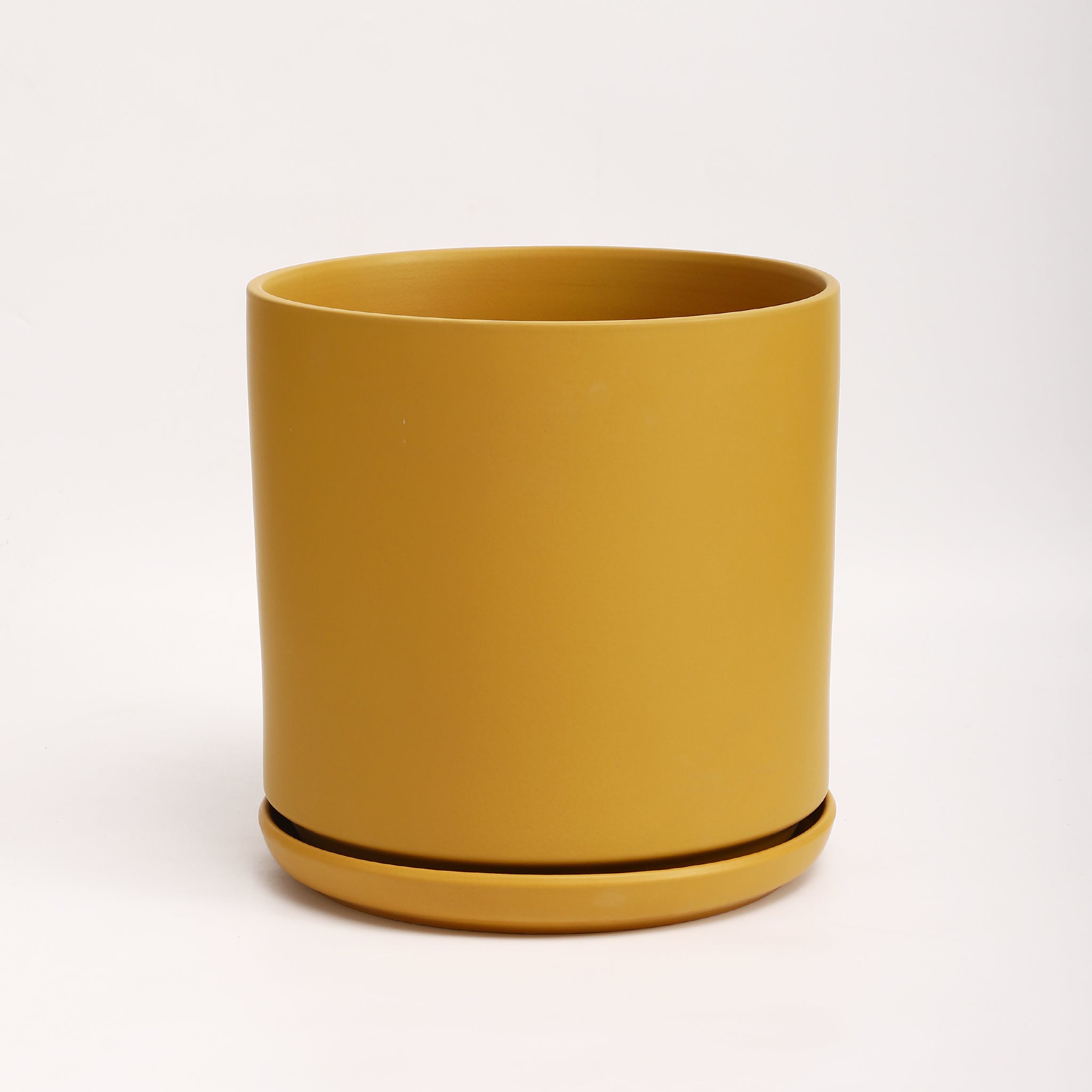
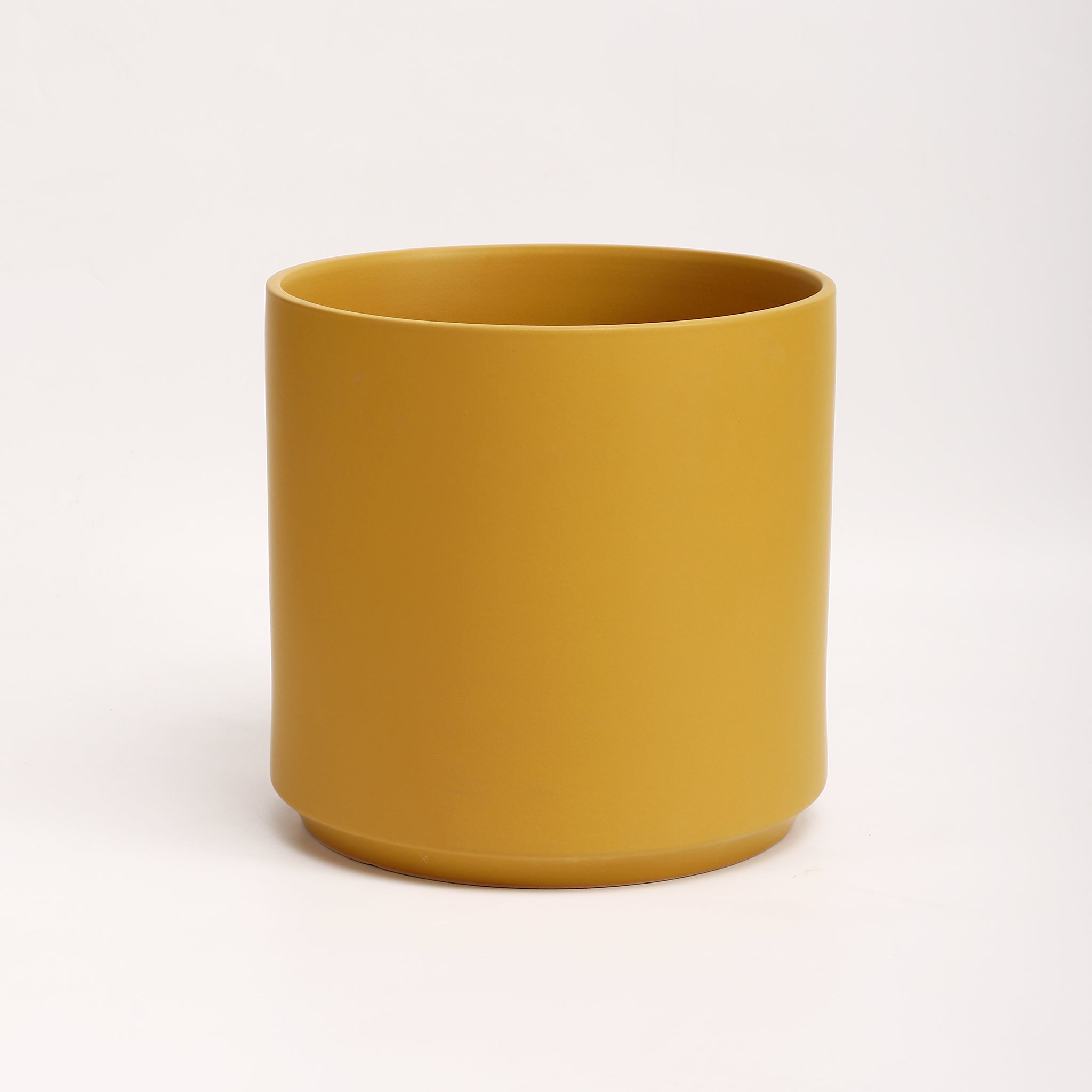
That's why we started LBE Design. Not to copy what they made. To continue what they believed: that a well-made object is worth the care it takes to make it, that beauty shouldn't be saved for special occasions, and that the tradition doesn't have to end just because the studios did. Gainey's cylinders are the ancestor and inspiration for our Cylinder series. Lindh's two-piece flower pots helped form our Round Two planter.

Our newest expression is the Rancho Planter, designed by ceramicist Angela Nicole Drew as part of our Artisan Series — a model for partnering with living American designers and paying them a direct commission on every planter sold.

We're committed to staying rooted in good design. We're glad you are too.
Want to go deeper?
- A Potter's Book — Bernard Leach (1940)
- The Art of Peter Voulkos — Rose Slivka & Karen Tsujimoto (1995)