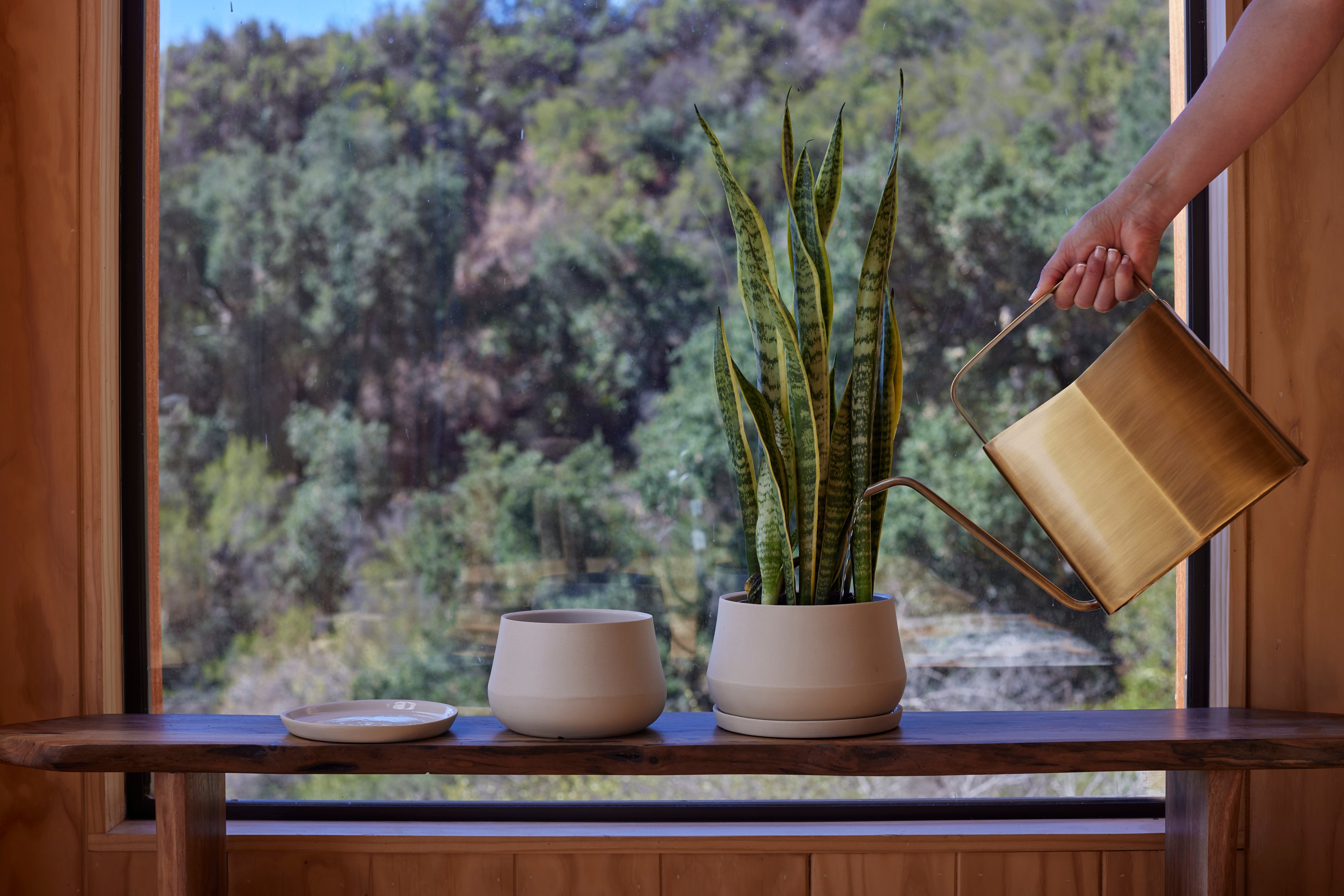

How to Build a Personal Plant Museum
How to Build a Personal Plant Museum: Styling Your Collection Like a Designer
Your plants deserve more than a windowsill. Here's how to curate, display, and elevate your collection into a living gallery—using your home as the canvas.

The biggest design trend of 2026 isn't a color, a pattern, or a new material. It's a mindset shift.
According to the Garden Media Group's 2026 Trends Report, the rise of the "personal plant museum" signals a quiet rebellion against disposable culture—a move toward collecting, curating, and displaying living things with the same intentionality we give to art, furniture, and design objects.
And it makes sense. If you've spent years building a collection of rare Monstera, trailing Pothos, or sculptural Fiddle Leaf Figs, why display them as an afterthought?
The personal plant museum treats every plant as a piece worth showcasing—and the stand it sits on as the pedestal it deserves.
Here's how to build yours.
1. Think Like a Curator, Not a Collector
The difference between "a lot of plants" and a personal plant museum is intention.
A curator doesn't just acquire—they select, arrange, and tell a story. Start by asking yourself a few questions:
- What's your theme? A species-deep collection (all Philodendrons, all succulents) feels focused and editorial. A mixed collection with varied textures and leaf shapes feels more eclectic and gallery-like.
- What's your palette? Deep greens against warm wood tones creates a natural, grounded mood. Bright variegated leaves against clean white pots feels modern and graphic.
- What's the journey? The best galleries guide your eye. Think about sightlines from the doorway, how height changes create flow, and where the "hero piece" lives.

Before buying another plant, think about where and how it will be displayed. That decision shapes everything.
2. Treat Your Stands Like Furniture (Because They Are)
Here's the mindset shift most people miss: a plant stand isn't an accessory—it's furniture.
A great plant stand does the same thing a great side table or bookshelf does. It anchors a space, creates visual rhythm, and adds warmth through material and form. The difference is that it also elevates a living thing into the spotlight.

What to Look For in a Museum-Worthy Stand
- Premium materials. Sustainably sourced hardwoods like teak and mahogany aren't just beautiful—they tell a story that complements the natural, eco-conscious ethos of plant collecting. FSC-certified wood and non-toxic finishes mean your stand is as thoughtfully sourced as the rare cutting it holds.
- Intentional design. Mid-century modern silhouettes with clean, sculptural lines let the plant remain the focal point while the stand adds architectural interest. Look for stands that could hold their own in the room even without a plant on them—that's the furniture test.
- Versatility. The most useful stands adapt to your space. A reversible plant stand that offers both a low-profile and high-profile orientation gives you two completely different display modes from a single piece.
Match Your Stand Style to Your Interior
| INTERIOR STYLE | STAND RECOMMENDATION |
|---|---|
| Mid-century modern | Rounded teak stands with organic curves |
| Contemporary / minimalist | Square mahogany stands with clean lines |
| Scandinavian | Natural Teak or light-toned finishes |
| Moody / maximalist | Darkened Teak or Black Mahogany finish on rounded teak stands |
| Boho / eclectic | Mix rounded teak and square mahogany across a group |
3. Master the Art of Height and Grouping
Museum curators know that how you arrange pieces matters as much as what you collect. The same principles apply to your plant display.
The Rule of Three Heights
Botanical designers recommend grouping plants in threes at staggered heights to mimic the natural layering of a forest canopy. This creates depth, visual flow, and a "cascading" effect that draws the eye upward and across the display.

How to do it:
- Floor level: A tall stand in high-profile mode with a large statement plant—Monstera, Bird of Paradise, or Fiddle Leaf Fig.
- Mid level: A shorter stand in low-profile mode on a console, side table, or bench with a medium-sized trailing plant.
- Eye level: A small pot on a floating shelf or windowsill to complete the trio.
The beauty of reversible plant stands is that you can experiment with this hierarchy without buying new pieces. Just flip a stand to switch between your low and high profile and find the right balance.
Grouping Principles
- Odd numbers create more visual interest than even groupings.
- Vary leaf shapes within a group—pair broad, structural leaves with feathery or trailing foliage.
- Keep containers cohesive. Use the same pot style or finish across a grouping to create a unified, gallery-like feel. Let the plants, not the pots, provide the variety.
- Leave breathing room. Resist the urge to overcrowd. In a museum, negative space is what makes each piece feel important.
4. Choose Materials That Tell a Story
In a personal plant museum, every detail communicates. The material of your stand is part of the narrative.

Teak
A classic for a reason. Teak's natural oils make it resistant to moisture and decay, which is why it's been the material of choice for premium outdoor furniture for decades. For plant stands, it works beautifully both indoors and outdoors—a versatility that lets your display flow seamlessly from living room to patio.
Best for: Rounded, mid-century modern stands that feel warm and organic.
Available finishes: Natural Teak (light, honey-toned), Darkened Teak (rich, warm brown), and Black Mahogany (deep, dramatic contrast).
Mahogany
Where teak feels earthy and approachable, mahogany brings a richer, more architectural presence. Its tight grain and natural depth make it ideal for clean-lined, contemporary designs.
Best for: Square-legged stands that feel structured and modern.
Available finishes: Light Mahogany (warm reddish-brown) and Dark Mahogany (deep, classic tone).
Both woods are FSC-certified and finished with non-toxic, plant-safe oil—meaning the stand is as sustainably and thoughtfully made as the collection it supports.
5. Solve the Assembly Problem (Before It Starts)
Let's be honest: nothing kills the excitement of a new design piece faster than a frustrating assembly experience. And for plant stands, stability isn't optional—it's the whole point.

The best plant stands use precision-engineered joinery instead of screws, bolts, and Allen wrenches. A rounded dowel system with custom-milled slots means each piece clicks into place with zero tools required—and the result is a wobble-free, rock-solid foundation that you can trust with your rarest plant.
This matters even more if you're building a multi-stand display. When you're assembling three, four, or five stands to create a personal plant museum, the difference between "60 seconds, no tools" and "30 minutes with an instruction manual" is the difference between a project you actually finish and one that stays in the box.
6. Design for Flexibility (Because Collections Evolve)
Your plant collection isn't static. New cuttings propagate, plants grow taller, seasons shift, and your style evolves. Your display should evolve with it.
Build a Museum That Adapts
- Multiple sizes: Having stands in different diameters—designed to fit standard ceramic cylinders—means you can accommodate everything from a compact succulent to a statement-sized planter.
- Indoor/outdoor versatility: Premium hardwood stands that hold up in any environment let you move your museum from the living room to the patio as the seasons change—no separate sets of furniture required.
- Reversible design: A stand that flips between a low-profile and high-profile orientation lets you completely reimagine your display without buying anything new. Rearranging becomes a five-minute creative exercise, not a shopping trip.

7. Style It Like a Designer: Room-by-Room Inspiration
The Living Room Gallery Wall
Create a "green gallery wall" by arranging a cluster of three to five stands at varying heights against a single wall. Mix your plant sizes and species, but keep pot colors consistent (white ceramic or natural terracotta work beautifully). Add a framed botanical print or two between the plants to blur the line between art and nature.

The Entryway Statement
A single tall stand in high-profile mode with a dramatic, structural plant makes an immediate impression. Choose a Darkened Teak or Black Mahogany finish for contrast against a light wall, or Natural Teak against darker interiors.
The Bedroom Sanctuary
Keep it minimal. One or two stands in low-profile mode on either side of a dresser or beside a reading chair. Choose calming, low-maintenance plants like Snake Plants or ZZ Plants that thrive in lower light.

The Patio Plant Museum
Take the museum outdoors. A grouping of stands in mixed heights and finishes creates a sophisticated alternative to traditional patio planters. Since teak and mahogany both weather beautifully, your outdoor display will develop character over time rather than degrading.
The Home Office
A single mid-sized stand next to your desk or behind your screen adds life to video calls without cluttering your workspace. The low-profile orientation keeps things understated and professional.
8. The Details That Separate Good From Great
The finishing touches that make a personal plant museum feel intentional:
- Consistent finish tones. You don't need every stand to be identical, but keeping within the same wood family (all teak or all mahogany) creates cohesion across a multi-piece display.
- Consider the negative space. Leave room between stands. The space around each plant is what makes it feel like a curated exhibit rather than a cluttered shelf.
- Light is everything. Position your display near natural light—not just for plant health, but because sunlight hitting natural wood and green foliage is genuinely one of the most beautiful things you can put in a room.
- Rotate seasonally. Swap plants between high and low profile stands, move a display from indoors to the patio, or introduce a new cutting to keep your museum feeling alive and evolving.
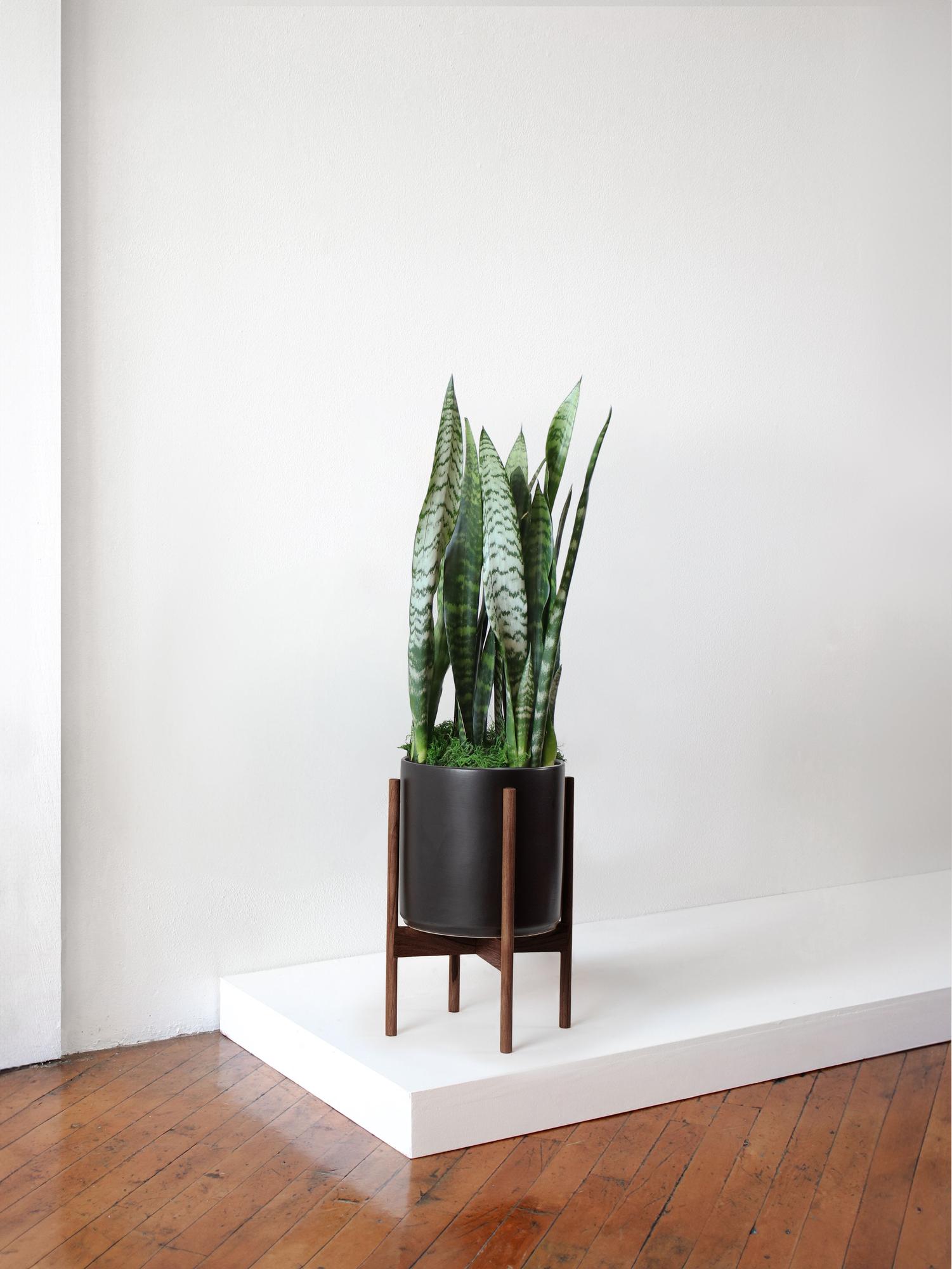
Your Museum Starts with the Right Foundation
The "personal plant museum" trend isn't really about plants. It's about treating your home as a space worth curating—where every piece, living or not, is chosen with care and displayed with intention.
And that starts with what your plants stand on.
SHOP WOOD PLANT STANDSRevival Ceramics wood plant stands are crafted from FSC-certified teak and mahogany, finished with non-toxic plant-safe oil, and feature a tool-free assembly system that takes under 60 seconds. Available in 4 sizes, 5 finishes, and 2 distinct styles—rounded teak and square mahogany. Designed for indoor and outdoor use.