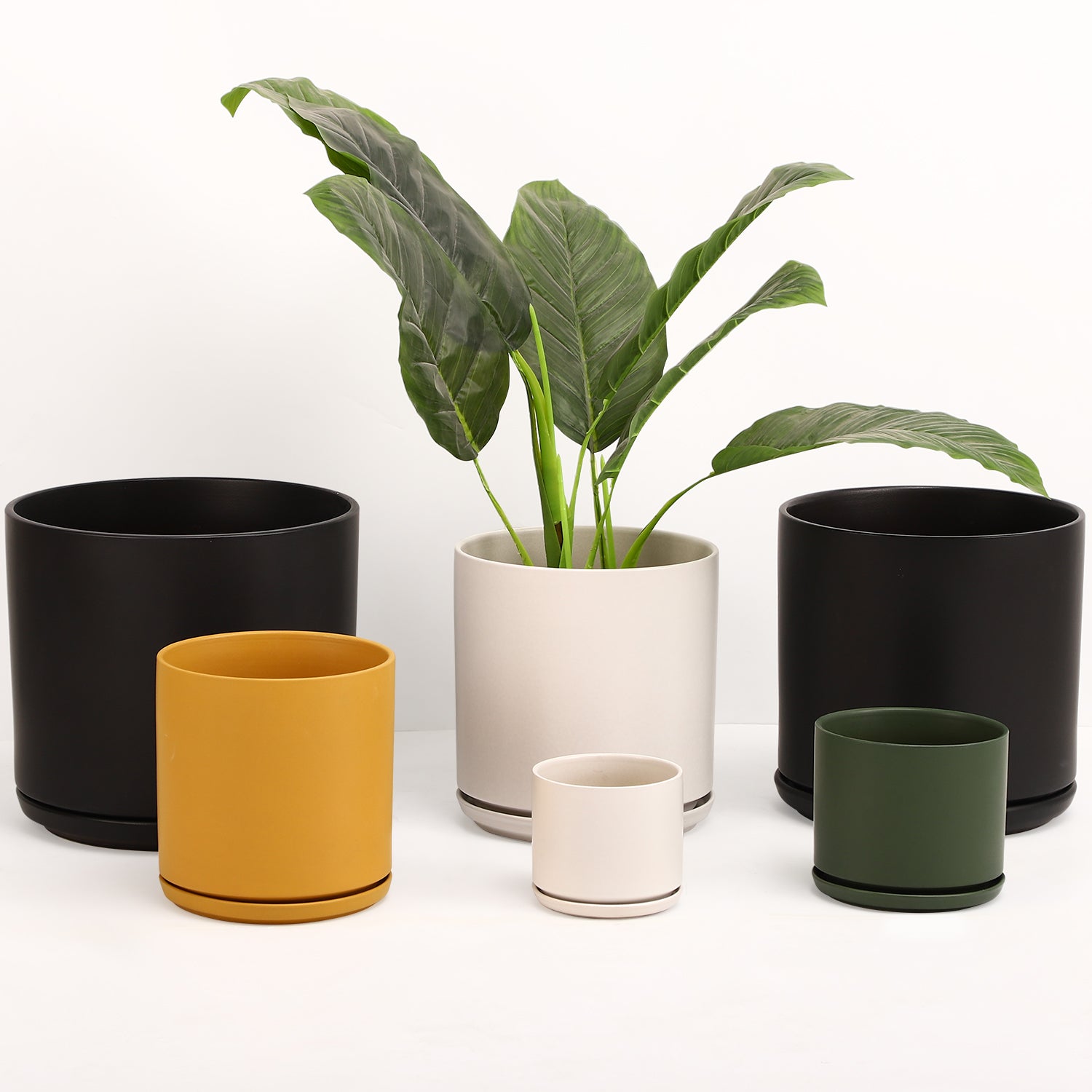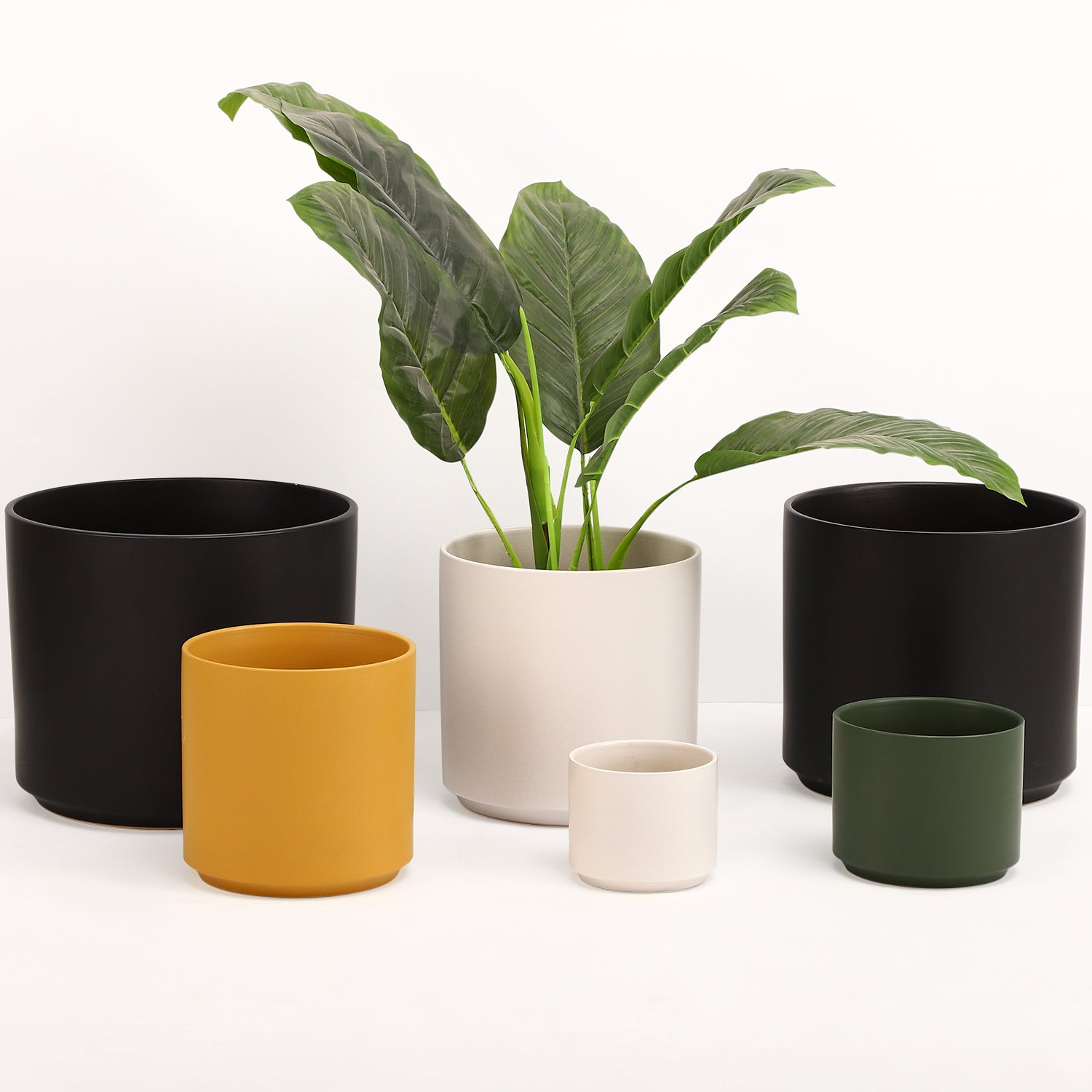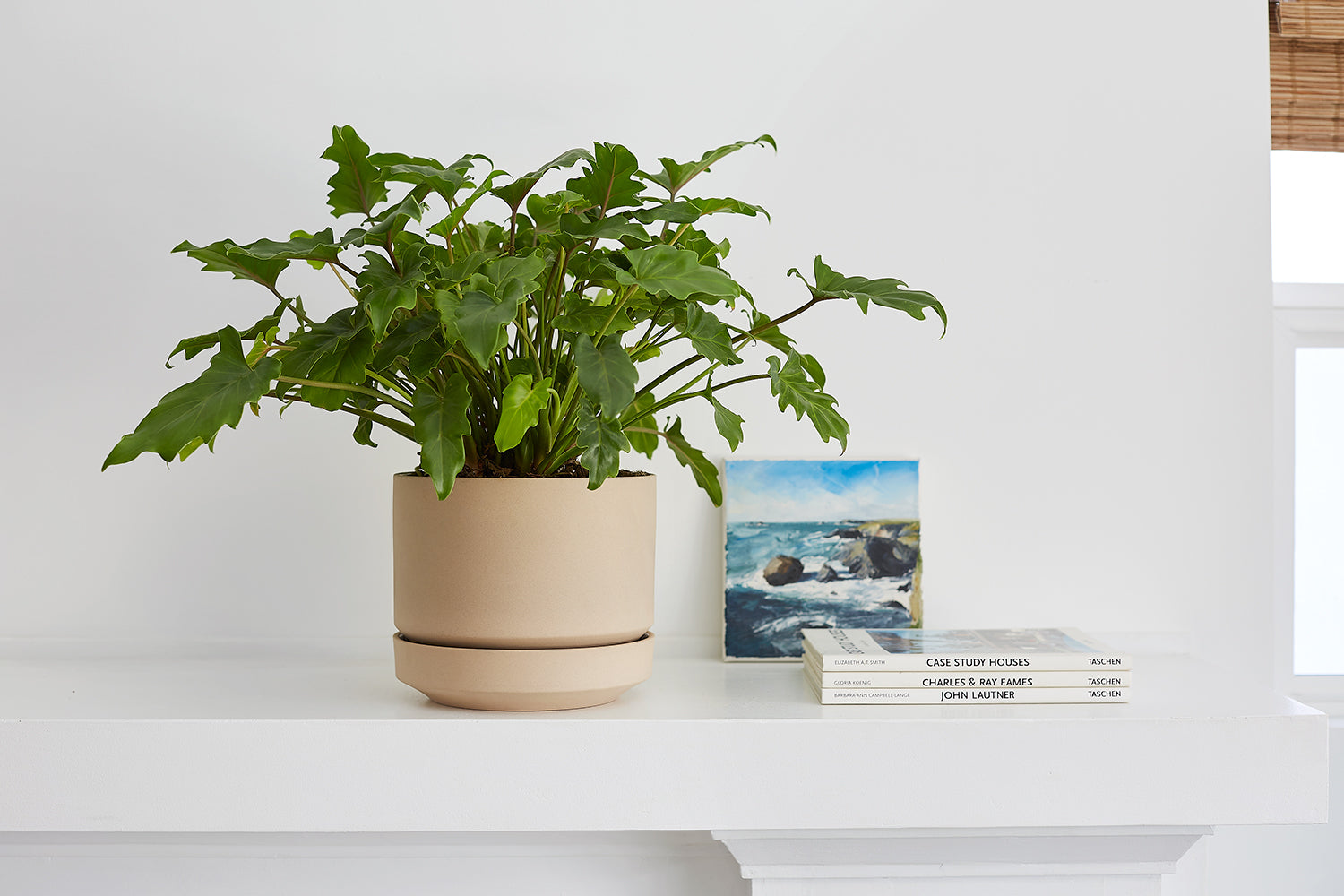


The best outdoor spaces are designed as rooms, with the same intentionality you bring to a living room or a kitchen. Furniture, textiles, lighting, and living sculptural objects that anchor the space and make it feel permanent. A well-chosen ceramic planter with a monstera or a snake plant is the finishing touch that completes the picture, the piece that makes an outdoor space feel like it was designed, not just assembled.
This is not a pandemic-era trend. It is a permanent shift in how we think about home. Better Homes & Gardens reported on the movement toward seamless indoor-outdoor transitions and investment-quality outdoor furnishings, the kind of pieces you choose once and keep for years. The outdoor room has arrived, and it is not going anywhere.
Here are five outdoor styling archetypes, each built around a different mood, palette, and way of living, to help you find the one that fits your space, your climate, and your life.
1. Clean Lines, Open Air: The Scandinavian Deck
The principles that make Scandinavian interiors feel calm (limited palette, natural materials, functional beauty) translate powerfully to a deck or patio. Restraint outdoors is not about doing less, it's about choosing better.

White planters in graduated sizes create rhythm without clutter. A snake plant adds vertical structure. A parlor palm softens a corner. Black metal furniture frames provide contrast without visual weight. A striped throw blanket over the arm of a lounge chair introduces texture while signaling one thing clearly: this space is for staying. Elle Decor's guide to outdoor styling emphasizes statement planters and curated vignettes as foundational moves, and this is exactly that approach, distilled to its essence.
Think of your outdoor space the way Three Birds Renovations describes the ultimate entertaining area: an outdoor room needs defined zones (lounge, dining, green corner) just like an interior. The planter is what anchors each zone and tells the eye where to rest.
Plant Picks for This Look
Snake Plant (Dracaena trifasciata), Parlor Palm, Boston Fern. All low-maintenance, shade-tolerant, and visually architectural. These are plants that work with the design rather than competing with it.
2. Salt Air & Deep Blue: Coastal Modern Style
Where the Scandinavian deck whispers in whites and greys, the coastal deck commits. Deep navy ceramic planters are the hero pieces, Mediterranean in spirit, modern in form.

Navy planters pair with concrete tabletops, warm wood decking, and pops of citrus. Lemons in a woven basket, an olive tree catching afternoon light. White cushions keep it from going dark. A maidenhair fern's delicate fronds contrast beautifully with the bold planter color, its softness a counterpoint to all that saturated blue.
This is the Mediterranean revival in American outdoor design. Elle Decor's 2025 outdoor living trends report highlights the move toward climate-resilient outdoor features and spaces that function as full living environments. The coastal deck is that principle made real: durable, beautiful, and designed to be used every day.
Plant Picks for This Look
Maidenhair Fern (Adiantum), Parlor Palm, Fiddle Leaf Fig, Potted Citrus Trees (Lemon, Kumquat), Olive Tree. Mediterranean herbs like Rosemary and Lavender add fragrance. These plants bring coastal softness and pair beautifully with deep blue ceramic.
3. Sun, Stucco & Simplicity: Desert Modern Living
White stucco walls. A concrete slab warmed by morning sun. Gravel borders and mountain views. This is outdoor living stripped to its essence: high contrast, minimal greenery, maximum impact from every object placed within the frame.

In a desert setting, every piece earns its place. A single white planter with an agave on a wire-frame dining table becomes the centerpiece. Fewer plants, more architecture. The negative space is part of the design, and the design is better for it.
The material palette reinforces the graphic composition: white ceramic against black powder-coated metal, stucco, and concrete. A straw sun hat on the chair back. Rosé on the table. The kind of effortless desert entertaining that requires more design thinking than it appears. The Studebaker Group's analysis of modern desert architecture describes exactly this: seamless indoor-outdoor integration and the strategic use of natural materials that define desert modern living.
Plant Picks for This Look
Agave, Aloe, Dracaena. All drought-tolerant, structurally striking, and appropriate for arid climates. In the desert, a plant is not decoration, it is sculpture.
4. Earth Tones & Easy Afternoons: The Bohemian Deck
This is the warmest archetype, and the most plant-forward. A hillside deck floored in brick tile, sided in natural cedar, furnished with driftwood loungers and bamboo tables. Everything here is textured, layered, and grounded in the earth.

The color story here is terracotta. Unlike the clean contrast of white or the bold statement of navy, terracotta harmonizes with its surroundings: brick floor, copper railing, warm wood. The effect is grounded and organic, like the space grew into existence rather than being styled.
Scale matters. A large terracotta planter holding a full Strelitzia is a dramatic single plant-and-planter combination you can make. One oversized plant in a generously proportioned planter creates more impact than a dozen small pots.
The best outdoor spaces are not just photographed. They are lived in. Bare feet on warm tile, a watering can in hand, dappled afternoon light through cedar slats. This is biophilic design at its most honest: bringing curated plants outdoors is not redundant. It is about creating intentional compositions that frame nature rather than competing with it.
Plant Picks for This Look
Bird of Paradise (Strelitzia), Monstera, Banana Leaf, Philodendron, Large-leaf Pothos. Go for lush, tropical volume. These plants read as abundant and organic, creating the layered, lived-in feeling that defines the bohemian aesthetic.
5. Golden Hour on the Garden Patio: California Cottage
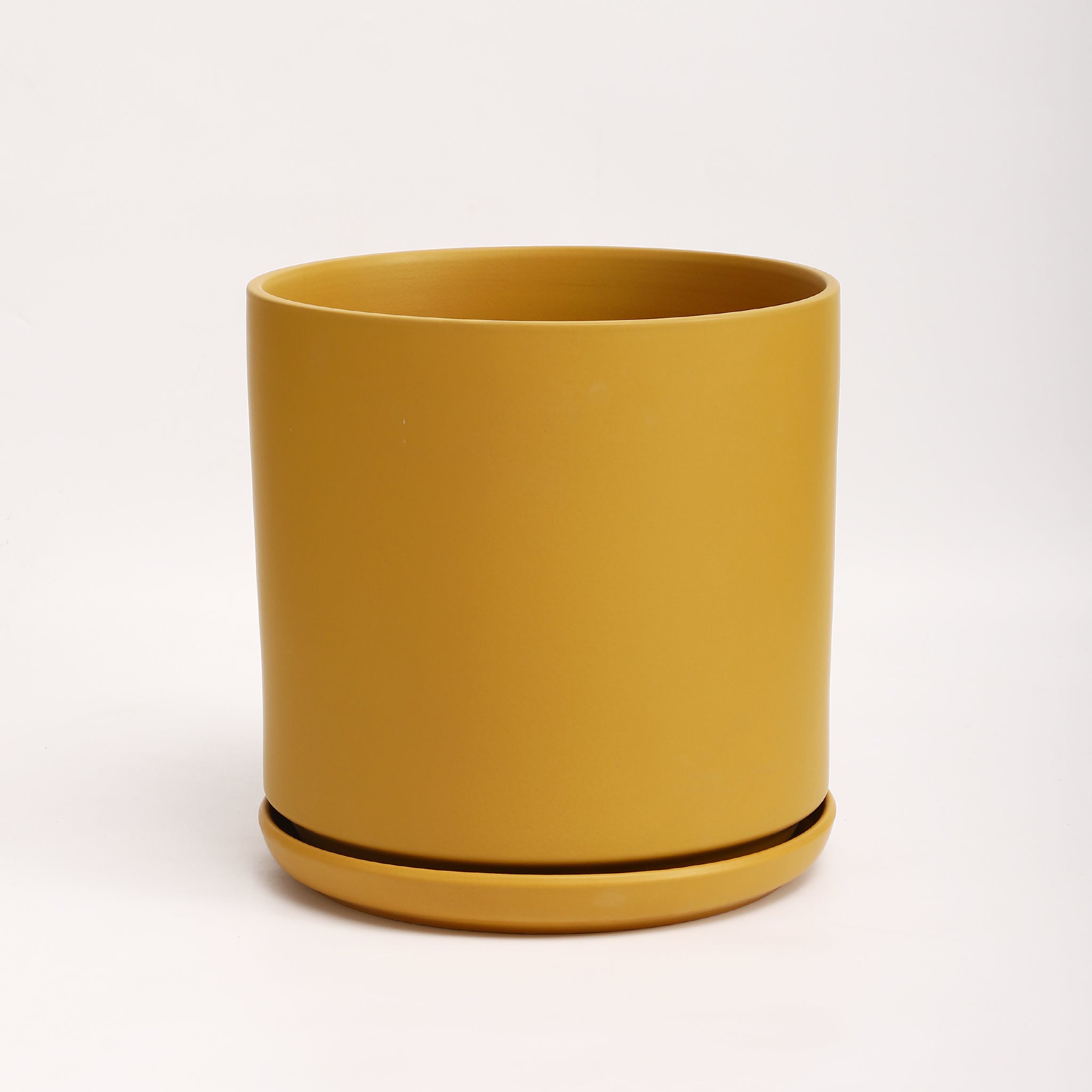
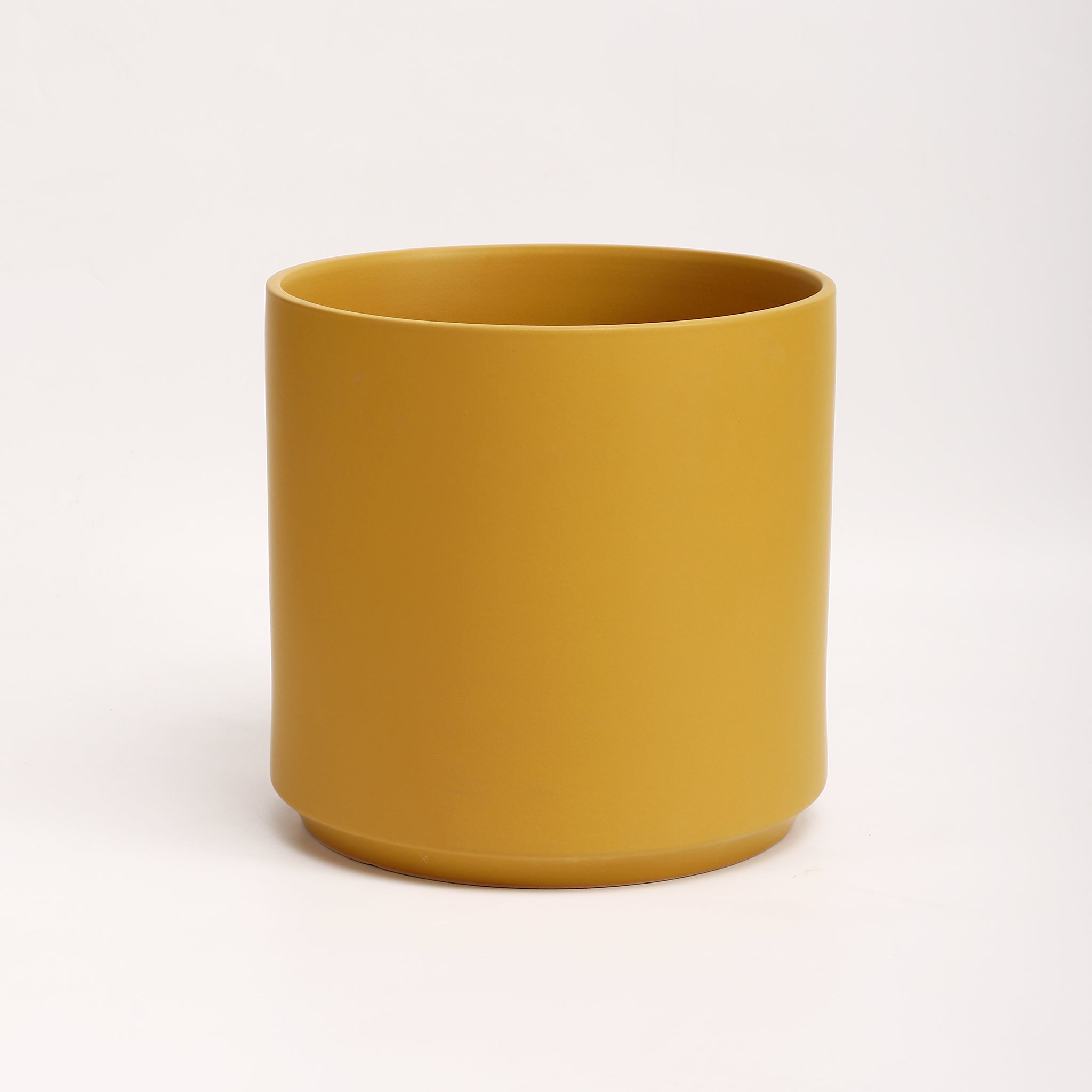
The final archetype is the most romantic. A garden patio bordered by lavender and eucalyptus, furnished with weathered teak, and punctuated by mustard yellow planters that glow in afternoon light.

This is the most garden-integrated setting. Unlike the other archetypes, which feature hardscape-dominant spaces, the cottage patio sits within a planted landscape. The planters do not replace the garden. They curate it, adding sculptural form and intentional color to the natural backdrop of ornamental grasses and silver-green eucalyptus.
Mustard yellow is optimistic without being aggressive. It reads as warm and slightly vintage, perfectly suited to cottage architecture with clapboard siding and grey-blue cushions. A bold color choice becomes the defining design element of an outdoor space, especially when repeated in multiple sizes for rhythm and cohesion.
Luxury Travel Magazine's feature on California outdoor properties connects to this archetype directly: creating functional outdoor zones, integrating drought-tolerant landscaping, and treating outdoor space as an extension of the home's total living area. The cottage patio is proof that a planter does not have to be neutral. Sometimes, the best design decision is the one that makes you smile.
Plant Picks for This Look
Lavender (Lavandula), Rosemary, Thyme, Citrus trees (Meyer lemon, Kumquat), California natives like Sage and Buckwheat, ornamental grasses. Edible and fragrant plants turn the patio into a working garden. These are plants you clip for cooking, brush past on your way to the table, and smell before you see.
The Full Palette: Mixing Colors & Setting the Table
You do not have to commit to one archetype. The beauty of a modular ceramic planter system is the ability to mix: navy beside white beside terracotta beside green, for an eclectic, collected look that feels curated rather than catalog-ordered.

Outdoor dining is an underused design opportunity. Plants as centerpieces replace cut flowers. They are alive, they last, and they double as décor long after the meal is over. A cluster of mixed-color planters holding snake plants, crotons, and maidenhair ferns transforms a farmhouse table into something worth photographing. More importantly, it transforms dinner into an experience.
Start with a pair in your favorite color. Add a contrasting accent in a smaller size. Let the plants provide the variety and the ceramic provide the cohesion. The table will do the rest.
Every Patio Deserves a Point of View
Whether your outdoor space is a sun-drenched desert slab or a shaded cottage garden, the principle is the same: treat it as a room, anchor it with intention, and let a well-chosen planter do the heavy lifting.
Outdoor living is not about having the biggest patio or the most expensive furniture. It is about a point of view: a color, a mood, a way of being outside that feels like you. This is the season to step outside and see what your patio is asking for. Start with one. The right ceramic, the right plant, the right corner of the deck. Everything else follows.
For a deeper look at the broader movement toward indoor-outdoor living, Better Homes & Gardens' report on outdoor living trends is a good place to continue the conversation.